There are many ways to use herbs, and the ideal preparation depends on the particular herb and what you’re hoping to accomplish. Two of the most common preparations are infusions and tinctures.
An infusion is basically a tea. You pour hot water over the herbs and steep for the recommended time. This is easy enough, but it’s not always possible or practical to boil water and steep something for 20 minutes or more.
Tinctures are one of my favorite solutions. Prepared by steeping herbs in alcohol for several weeks, they’re easy to use, easy to carry, and long-lasting. Haha, I sound like a commercial, but it’s true!
Tinctures are concentrated herbal extracts, usually taken in small amounts. I especially appreciate the convenience of having a few familiar herbs prepared and ready when I want them. Whether I’m looking for a little support during a stressful day or incorporating an herb into my evening routine, I don’t always want to brew another cup of tea.
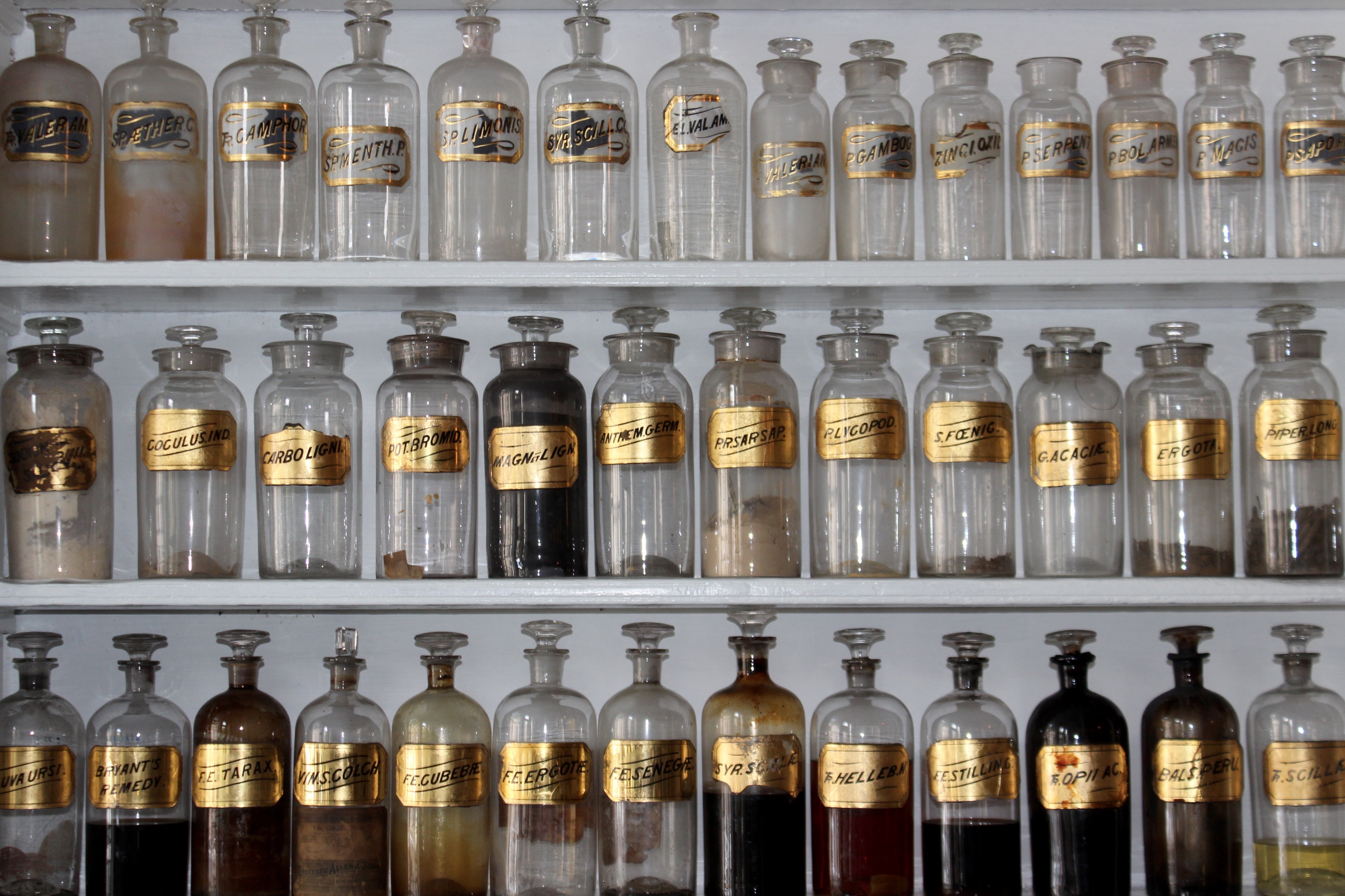
A Little About Alcohol and Herbal Tinctures
The generally recommended ratio of herb to alcohol varies depending on the herb, whether it’s fresh or dried, and the strength of the alcohol being used.
You’ll commonly see ratios such as 1:2 for fresh herbs and 1:5 for dried herbs, although these aren’t universal rules. These measurements refer to the weight of the herb compared with the volume of liquid, rather than how full your jar looks.
Most beginners start with 80-proof vodka, which works well for extracting many commonly used dried herbs. Rum and brandy are sometimes used, too. Other herbs require a higher alcohol concentration or a different preparation altogether.
I’ve traditionally preferred Everclear grain alcohol for some of my tinctures, and I’ve experimented with stronger preparations over the years. But stronger doesn’t necessarily mean better. The right alcohol concentration and herb-to-liquid ratio depend on what you’re extracting.
If you’d prefer an alcohol-free preparation, food-grade vegetable glycerin or vinegar can also be used with certain herbs. I haven’t experimented much with either, but lemon balm makes a delicious glycerite! Glycerin has a naturally sweet taste, which can make herbal extracts more palatable. (I’ll admit, some tinctures are not the most pleasant-tasting concoctions!)
These alternatives extract different plant constituents and generally have different storage requirements, so they’re not always interchangeable with alcohol tinctures.
How to Make an Herbal Tincture
The process is simple!
For this basic method, we’re using dried herbs and alcohol. It’s an approachable way to get started, although you’ll want to check the specific preparation recommendations for whichever herb you’re using.
- Place your dried herbs in a clean glass mason jar. For a traditional 1:5 preparation, you would use 1 gram of dried herb for every 5 mL of alcohol. If you’re making a small batch with 20 grams of dried herb, for example, you’d use 100 mL of alcohol.
- Pour the alcohol over the herbs, making sure they’re completely covered. If the herbs absorb the liquid and are no longer submerged, you may need to adjust your preparation.
- Close the lid tightly.
- Place the jar in a cool, dark location.
- Shake the jar daily, or as often as you remember, making sure the herbs remain submerged.
- After 4–6 weeks (I usually wait six), strain the herbs through cheesecloth or a fine strainer, pressing gently to extract the remaining liquid.
- Store your finished tincture in a clean glass bottle or jar, preferably amber glass, and label it with the herb, alcohol concentration, and preparation date.
Properly prepared alcohol tinctures can remain usable for several years when stored in a cool, dark place. Their shelf life depends on the herb, alcohol concentration, and storage conditions.
That’s it!
A Few Things to Keep in Mind
The amount of tincture you use will depend on the herb, the concentration of your preparation, and your reason for using it. More concentrated preparations aren’t necessarily more effective, and different herbs have different recommended amounts and safety considerations.
If the taste is too much, you can mix your tincture with a little water, tea, or another favorite beverage to make it more palatable.
And remember, just because something comes from a plant doesn’t mean it’s appropriate for everyone. Some herbs can interact with medications or may not be suitable during pregnancy, breastfeeding, or with certain health conditions. It’s worth getting familiar with the herb you’re using before preparing or taking it.
Making Herbalism Part of Everyday Life
I’ve enjoyed making and using tinctures for years, and they’re still one of my favorite ways to keep useful herbs on hand.
There’s something satisfying about preparing your own herbal remedies, understanding what’s in them, and learning which herbs work best for your individual needs.
You don’t need an enormous collection of tincture bottles or an elaborate home apothecary to get started. A few familiar herbs and a little curiosity can take you a long way.
If you’re interested in exploring herbalism further, my Midlife Herbal Apothecary Guide is a good place to begin. It introduces six herbs traditionally used for concerns that often come up during midlife, along with simple ways to incorporate them into your daily routines.
And I’d love to hear about your experiences making tinctures! Do you have a favorite herb or preparation method?

